

Cave · Južné Čechy
Chýnovská jeskyně
Dolní Hořice
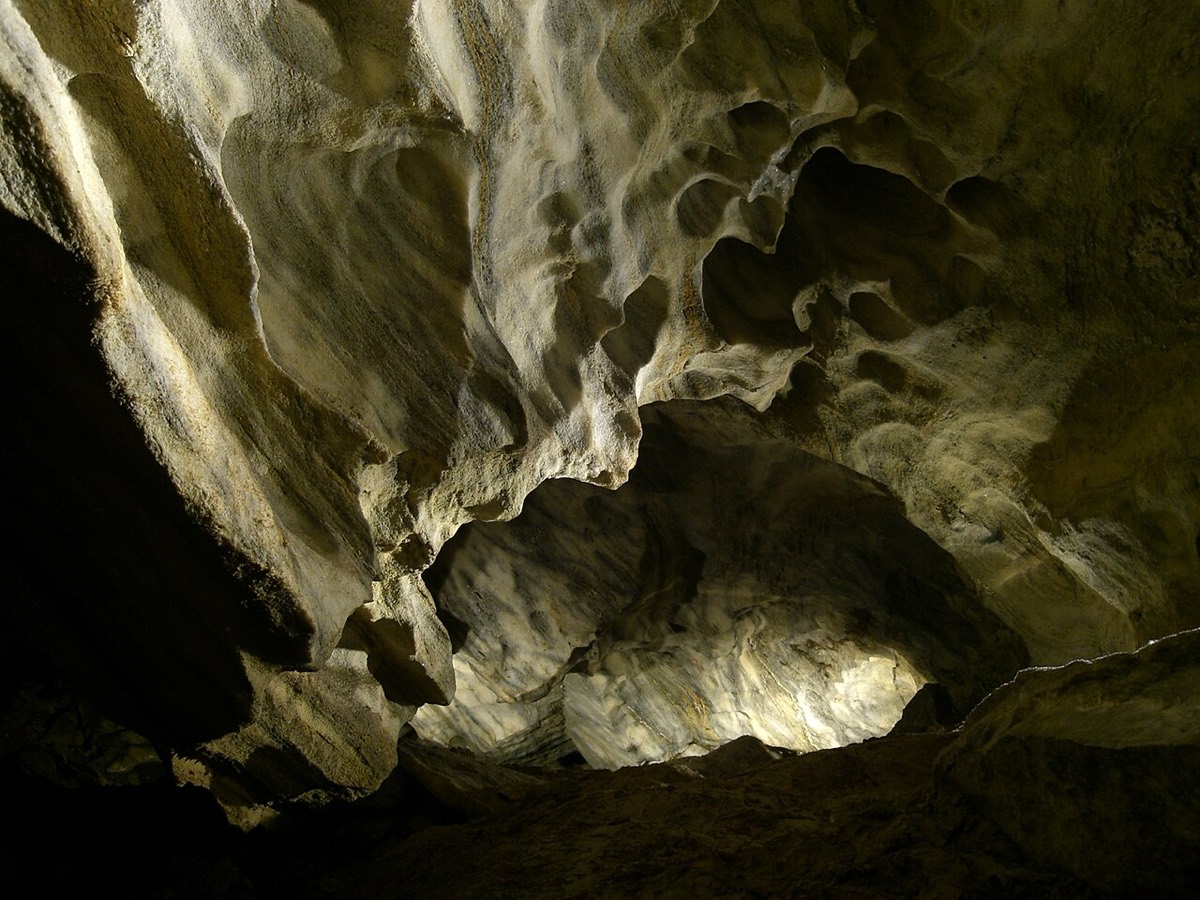
Chýnov Cave is a national natural monument within the cadastral area of the village of Dolní Hořice, east of Tábor, and represents the most significant and extensive karst formation in South Bohemia. It is notable especially for the colourful alternation of amphibolites and limestones; unlike many other karst caves it lacks pronounced dripstone decoration, which makes the play of colours in the rock itself stand out all the more.
The cave also holds a historical first — it was the very first cave opened to the public on the territory of today's Czech Republic. It was discovered in 1863 during work in a peasant quarry, and just five years later, in 1868, it was opened to visitors. The total length of the cave system exceeds 1,200 metres, though its true extent still isn't precisely determined, and speleological research brings new findings here almost every year. Research in inaccessible sections during the 1980s and 1990s revealed permanently flooded spaces with quartz druses.
The area is also a significant mineralogical site — together with the nearby Pacova hora nature reserve, more than 60 mineral species have been discovered and described here. A 220-metre tour route awaits visitors, descending to a depth of 42 metres below the surface.
Except during the winter months, the cave is open to the public, making it a rewarding destination for cooler or rainy days. A visit underground is easy to combine with exploring the Tábor region and its sights. Choosing accommodation around Tábor or Dolní Hořice will put the cave and the surrounding nature reserves comfortably within reach, letting you plan your itinerary without rushing.
More attractions in the Južné Čechy region
 Chateau
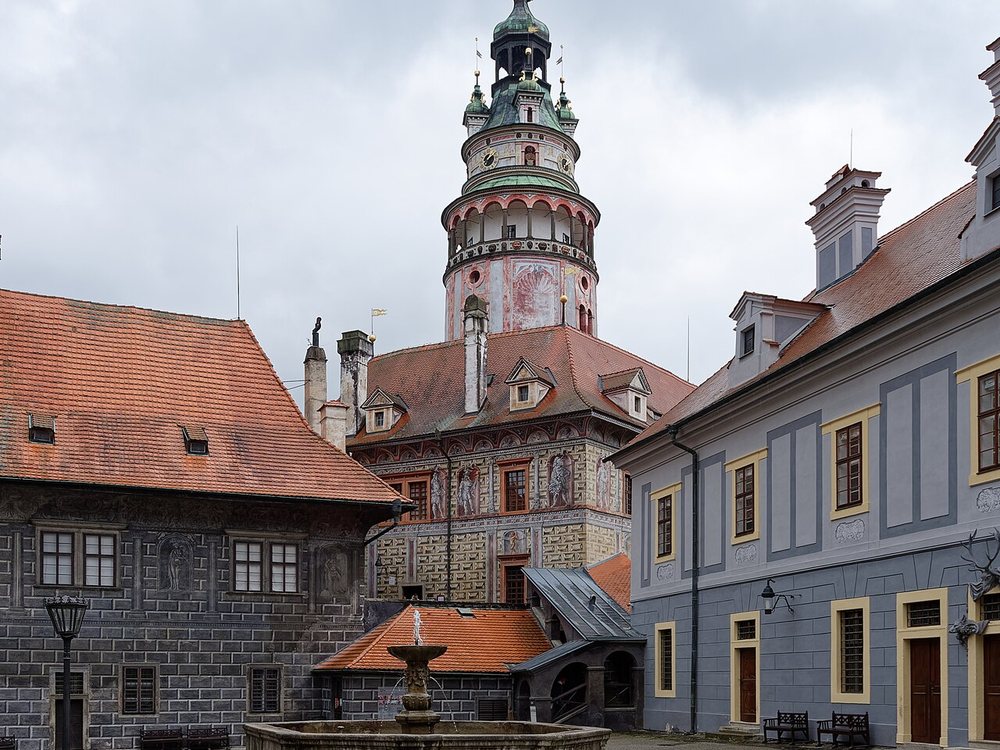
Státní hrad a zámek Český Krumlov
Český Krumlov
A fairy-tale Renaissance castle above a bend in the Vltava, in the heart of a UNESCO-listed town.
 Chateau
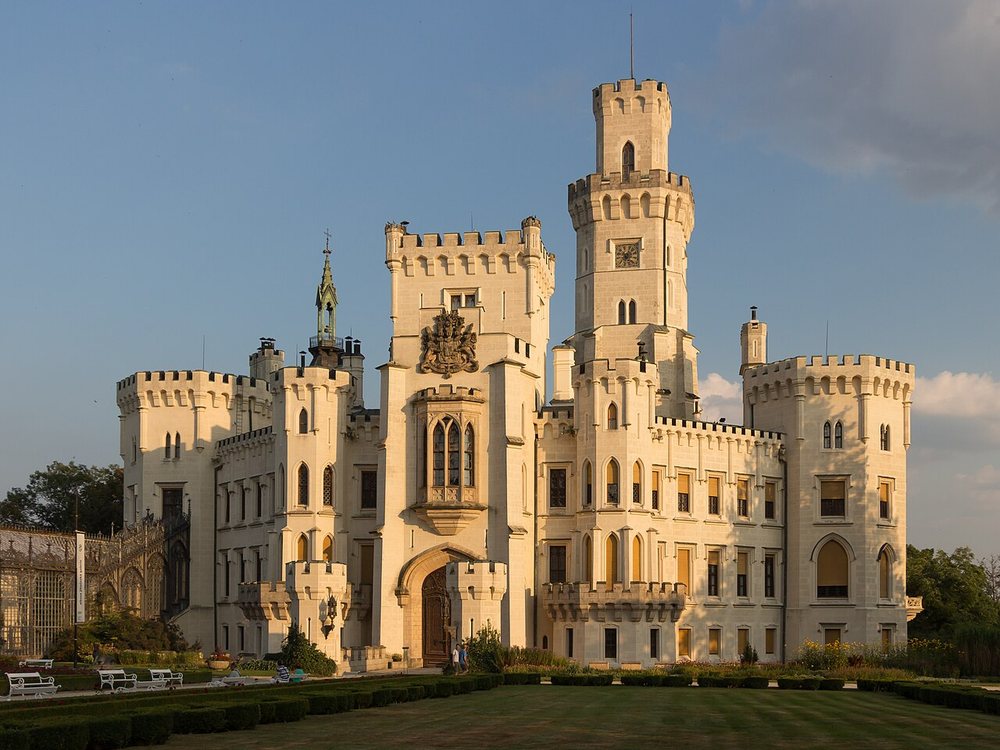
Zámek Hluboká nad Vltavou
Hluboká nad Vltavou
A white neo-Gothic chateau inspired by England's Windsor Castle, one of the most beautiful in the Czech Republic.
 Open-air museum
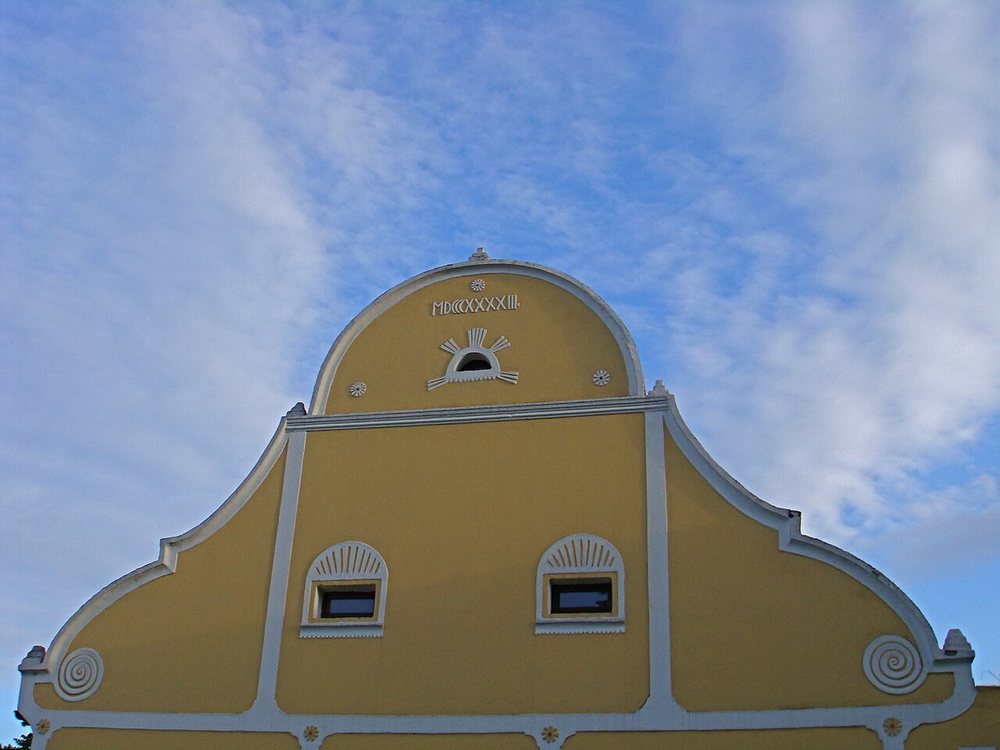
Holašovice
Holašovice
A perfectly preserved village of folk Baroque architecture, listed as UNESCO World Heritage.
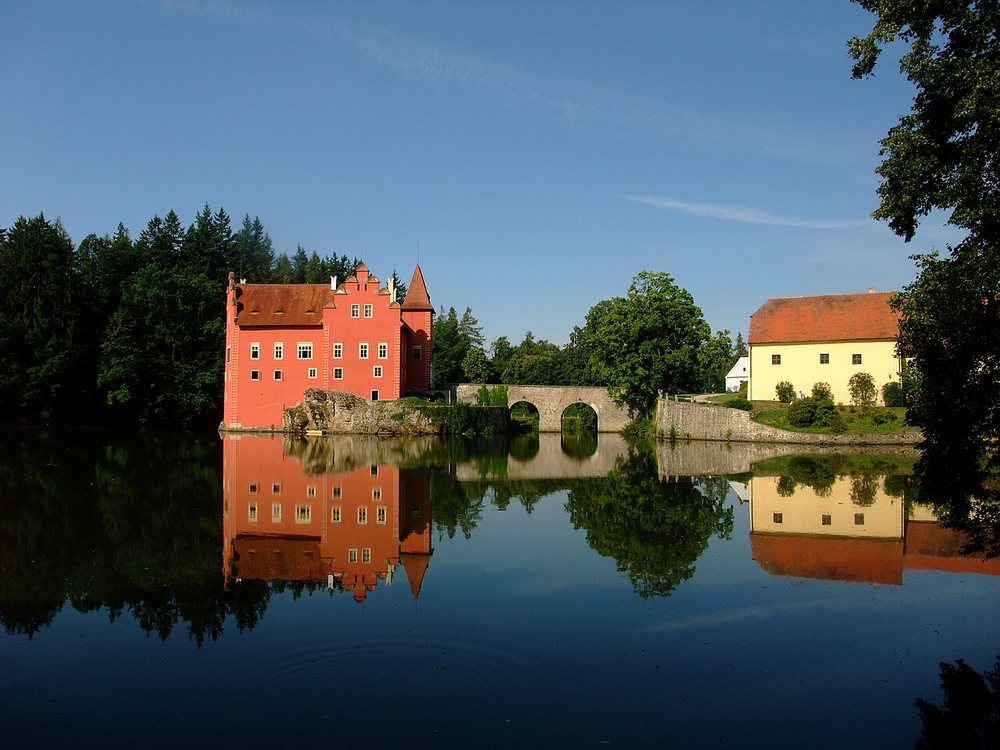 Chateau
Zámek Červená Lhota
Pluhův Žďár
A romantic red water castle standing on a rocky island in the middle of a pond.